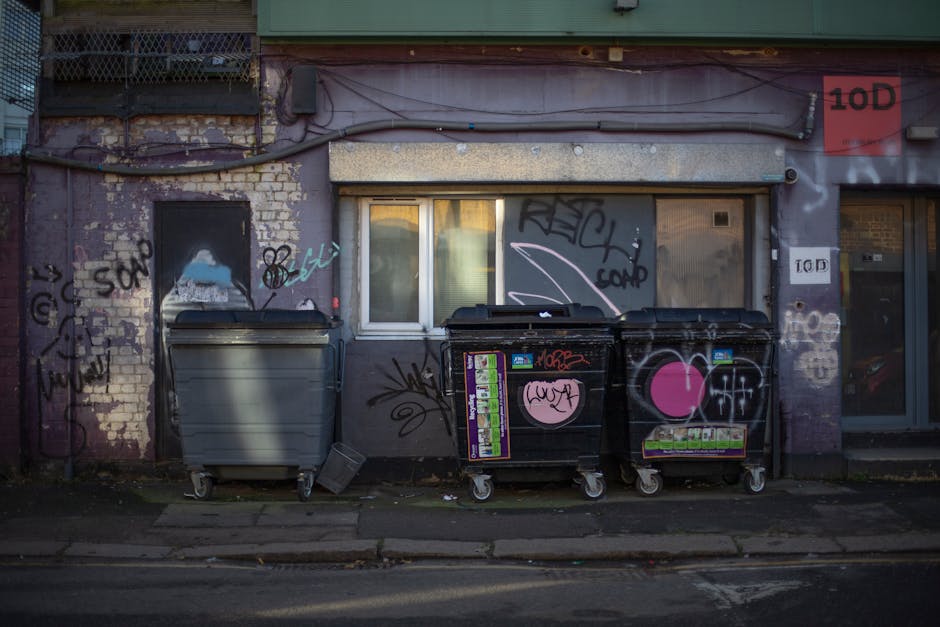
Shoreditch High Street Shop Bulky Rubbish Collection Tips
If you run a shop on or near Shoreditch High Street, bulky rubbish has a habit of building up quietly and then suddenly becoming a problem. Old shelving, broken display units, cardboard mountain ranges, packaging waste, damaged stock, and the one awkward item nobody wants to move by hand. These Shoreditch High Street shop bulky rubbish collection tips are designed to help you clear that mess quickly, safely, and without turning a busy trading day into a minor drama.
Truth be told, the hardest part is often not the lifting. It is the planning. Narrow pavements, tight loading windows, mixed waste, staff safety, customer access, and the simple fact that a shop front has to look open and calm even when the back room is anything but. This guide walks through how bulky shop waste collection works, what to prepare, where the common traps are, and how to keep your business moving while the clutter disappears.
For shop owners who also deal with regular waste streams, it can help to think in layers: everyday refuse, recyclable materials, and bulky items that need a more deliberate collection plan. That is where structured support such as business waste removal and general waste removal can sit neatly alongside a one-off bulky clearance. Not fancy. Just practical.
- Why it matters
- How collection works
- Benefits and advantages
- Who needs it
- Step-by-step guidance
- Expert tips
- Common mistakes
- Tools and resources
- Compliance and best practice
- Comparison of options
- Real-world example
- Checklist
- Conclusion
- Frequently asked questions
Why Shoreditch High Street Shop Bulky Rubbish Collection Tips Matters
Bulky rubbish in a shop is not just an inconvenience. It takes space away from stock, creates trip hazards, and can make a small retail unit feel instantly cramped. In a busy area like Shoreditch High Street, that matters even more because footfall, deliveries, and customer flow all compete for the same limited space. One oversized item by the door can slow staff down all morning.
There is also the customer-facing side. A cluttered shop back office or storage corner has a way of spreading into the front of house. You notice it in the tone of the place. A clean, organised shop feels easier to trust. A space full of old packaging and battered fixtures can feel neglected, even when the products are excellent.
Then there is the practical risk. Shop bulky waste often includes items that are awkward rather than simply heavy: metal racking, wooden counters, promotional stands, old fridges, broken mirrors, or display cabinets with sharp edges. One rushed lift, and you have a damaged wall, a sore back, or a smashed pane. Nobody needs that on a Monday morning.
Good bulky rubbish collection tips help you avoid all that. They also support better recycling, clearer scheduling, and fewer surprises when collection day arrives. To be fair, the best results usually come from planning the collection before the pile becomes embarrassing.
How Shoreditch High Street Shop Bulky Rubbish Collection Tips Works
At its simplest, bulky rubbish collection for a shop is a controlled removal of large items that do not fit into standard bins or routine waste streams. The process usually starts with identifying what needs to go, separating reusable or recyclable materials, and deciding whether the job is a one-off shop clearance or part of a regular business waste arrangement.
A well-run collection normally follows a few steps. First, the items are assessed for size, weight, access, and handling needs. Then the area is prepared so the collection team can move through without blocking customers or staff. After that, the bulky items are removed, loaded safely, and taken for appropriate disposal, reuse, or recycling where suitable.
In shop settings, access matters as much as the waste itself. Shoreditch High Street has the usual London reality: tight entrances, time pressures, pedestrians, and limited loading space. That means a quick walk-through before collection can save a surprising amount of time. Sometimes it is the small thing, like moving a till roll trolley out of the way, that makes the whole job smoother.
If the bulky rubbish is mixed with furniture or fixtures, a more tailored service may be the better fit. Many shops find it useful to look at furniture clearance or furniture disposal when the waste includes counters, chairs, display tables, or worn-out shelving. If the job is broader than that, a full office clearance style approach may be more efficient, especially for mixed commercial spaces.
Key Benefits and Practical Advantages
There are a few obvious benefits, but the real value tends to show up in the day-to-day details.
- More usable space: removing one or two large items can free up a whole back corner for stock, packing, or seasonal displays.
- Safer working conditions: fewer obstacles means lower risk of slips, trips, and awkward lifting.
- Better customer experience: a tidy shopfront looks calmer and more professional.
- Less staff disruption: planned collection is easier than improvised carrying with customers waiting at the counter.
- Cleaner separation of waste: you can sort recyclable material from general waste before it becomes one messy heap.
There is also a less obvious advantage: better decision-making. Once bulky waste is grouped properly, you can see what is actually worth keeping, repairing, donating, or replacing. Plenty of shops keep old items around "just in case". Then six months pass, and the item is still there, taking up valuable room. Happens all the time.
For shops that regularly refresh stock or displays, the right collection approach can support a much more flexible fit-out cycle. And if your business creates regular mixed waste, it may be worth reviewing ongoing business waste removal options as part of your routine operations.
Who This Is For and When It Makes Sense
This topic matters to a lot of different people. If you run a fashion boutique, convenience store, salon, takeaway, vintage shop, pop-up, or independent retail unit on Shoreditch High Street, bulky rubbish can build up faster than you expect. Even a small shop can generate a surprising amount of oversized waste during a refit, stock change, or delivery cycle.
It also makes sense for landlords and managing agents overseeing small commercial units. When a tenant leaves behind broken furniture, old signage, or unsorted stock, a clear plan for bulky rubbish collection can reduce vacancy delays and help the unit be made ready faster.
There is a common pattern here. You usually need this service when one of the following happens:
- you are replacing fixtures or furniture
- you have packaging and oversized delivery waste piling up
- you are closing, moving, or refitting a shop
- you are dealing with broken stock or damaged display items
- the back-of-house area has become too full to work in safely
And yes, sometimes it is just the moment when the staff finally say, "We cannot keep stepping over this." Fair enough too.
Step-by-Step Guidance
If you want the collection to run smoothly, the best approach is boring in the best possible way: prepare, sort, measure, and confirm. Here is a simple process that works well for most shops.
- Identify every bulky item. Walk the shop and back area with a fresh eye. Note anything large, awkward, heavy, or broken.
- Separate what can stay. Keep stock, paperwork, personal items, and anything reusable out of the clearance pile.
- Group waste by type. Put timber, metal, furniture, cardboard, and mixed rubbish in separate piles if possible.
- Check access routes. Measure doorways, hallways, stairwells, and any loading area restrictions. A trolley that fits in theory may not fit in real life.
- Make the path clear. Move fragile stock, signage, and customer-facing items away from the collection route.
- Decide on timing. Early morning or a quieter trading window often works best. Less customer traffic means less stress.
- Ask about handling needs. If the waste includes glass, sharp metal, or heavy fixtures, flag this early.
- Confirm disposal expectations. Good providers should be clear about sorting, recycling, and what happens to each waste stream.
A useful habit is to take a quick photo of the waste area before collection. It helps everyone stay aligned about what is included. Nothing dramatic. Just sensible.
If the clearance involves a large amount of mixed shop waste or a mini refurbishment, you may also need builders waste clearance support, especially where plasterboard, timber offcuts, or packaging from fit-out work is involved.
Expert Tips for Better Results
After enough clearances, a few patterns become obvious. The most efficient jobs are rarely the ones with the least waste. They are the ones where the client has thought things through beforehand.
Tip 1: Do not leave sorting until collection morning. If everything is still mixed together when the team arrives, you lose time and clarity. A bit of sorting the day before makes a noticeable difference.
Tip 2: Keep an eye on hidden weight. A seemingly light display unit can become unexpectedly heavy if it has metal brackets, glass panels, or drawers full of fixings. You know the sort of thing - looks manageable until you actually lift it.
Tip 3: Protect the route. Put down temporary protection if you have polished floors, tight corners, or freshly painted areas. One scrape on a shopfront frame can become an annoying repair job later.
Tip 4: Ask about recycling before the job starts. Shop waste often contains cardboard, wood, metal, and reusable furniture components. If you want more sustainable handling, take a look at the company's recycling and sustainability approach before booking.
Tip 5: Be honest about access. If there is a stairwell, no lift, limited parking, or a narrow doorway, say so. It is better to sound slightly over-cautious than to cause a delay later.
One more thing: keep staff informed. A collection can be routine for management and still feel disruptive to the people on the shop floor. A quick five-minute update helps everyone relax.
Common Mistakes to Avoid
The biggest mistakes with bulky shop rubbish are predictable, which means they are also avoidable. That is the good news.
- Mixing all waste together: this slows collection and can create avoidable disposal issues.
- Underestimating access problems: a unit that looks easy from the street may be awkward once you get inside.
- Leaving it too late: last-minute clearance can clash with customers, deliveries, and staff shifts.
- Ignoring sharps or broken glass: these need extra care and clear communication.
- Forgetting reusable items: sometimes a broken-looking fixture can still be repaired or repurposed.
- Choosing the cheapest option blindly: a low price is less appealing if the service cannot handle the job properly.
Another common one: assuming all bulky waste is the same. It is not. A flat-packed cardboard pile, a heavy racking system, and a damaged leather chair all need different handling. Treating them as identical usually creates hassle, and nobody enjoys hassle.
Tools, Resources and Recommendations
You do not need a warehouse full of equipment to prepare a small shop clearance, but a few basic tools make life easier.
- Gloves: useful for handling rough cardboard, splintered wood, and dusty fixtures.
- Tape measure: essential for checking doors, lifts, and tight corridors.
- Marker labels: handy for marking what stays, what goes, and what needs a second look.
- Hand truck or sack barrow: helpful for moving boxed or stable items short distances.
- Bin bags and boxes: useful for small loose pieces that would otherwise scatter.
- Phone camera: a quick set of photos can help with planning and confirmation.
On the service side, the most useful resource is usually a provider that can handle more than one waste type. If your shop is being cleared out more widely, home clearance and flat clearance pages can also be relevant if the same building includes staff accommodation, storage flats, or mixed-use space. Not every commercial site is neat and tidy in the planning sense. Reality is messy.
For businesses reviewing costs, it is sensible to check pricing and quotes early, especially if the load includes bulky furniture, mixed waste, or access challenges. A clear quote tends to make the rest of the day easier.
Law, Compliance, Standards, or Best Practice
When shop bulky waste is involved, the main thing is to handle it responsibly and in line with normal UK waste expectations. That usually means using a reputable waste carrier, keeping waste separated where practical, and making sure waste is not left in a way that creates a hazard for the public or staff.
You do not need to become a legal expert to manage this well. But you should be aware of a few common best practices:
- do not leave waste obstructing entrances, fire exits, or shared access routes
- store bulky waste securely before collection where possible
- keep waste transfer details or booking records for your own business files
- make sure any service provider understands what is being collected
- separate hazardous or specialist items if they are present, rather than hiding them in a general pile
If your shop clearance overlaps with landlord requirements, building management rules, or insurance expectations, it is worth checking those before collection day. That is not being overly cautious. It is just avoiding the sort of awkward phone call that starts with, "We may have a small issue..."
Health and safety should sit at the centre of the plan. If you want to understand how the service approach fits with safe working practices, the company's health and safety policy and insurance and safety information are sensible places to review.
Options, Methods, or Comparison Table
Different shops need different approaches. Here is a practical comparison of the most common options.
| Method | Best for | Advantages | Limitations |
|---|---|---|---|
| Self-clearance | Very small loads and light items | Flexible timing, direct control | Time-consuming, risk of injury, vehicle and disposal logistics |
| Regular business waste collection | Ongoing non-bulky waste | Predictable routine, steady flow | Usually not suitable for large fixtures or oversized items |
| One-off bulky rubbish collection | Furniture, fixtures, mixed oversized waste | Efficient, safer, less disruption | Needs good preparation and access planning |
| Full shop clearance | Closures, refits, relocations | Covers a wider range of items in one go | More planning required, usually a larger job |
For many Shoreditch High Street shops, the sweet spot is a combination: routine business waste removal for daily clutter and a separate bulky collection when furniture, racking, or stock fixtures need to go. Simple on paper. Much less stressful in practice.
Case Study or Real-World Example
Imagine a small independent shop near Shoreditch High Street preparing for a window display refresh on a Friday evening. The front area is fine, but the stock room has old shelving, flattened packaging, a damaged counter chair, and a broken cabinet waiting for "later". Later has arrived.
The team starts by separating cardboard, reusable fixtures, and general rubbish. The broken cabinet is measured, the route through the back corridor is cleared, and fragile stock is moved away from the collection path. A quick photo is taken of the piles, partly for clarity and partly because nobody wants to argue over which heap is which when the van arrives.
On collection day, the bulky pieces are taken first, followed by smaller mixed waste. The staff can keep trading because the work was done at the edge of the day rather than in the middle of lunch. The best part? The shop feels bigger immediately. Not magically bigger. Just breathing a little easier. That matters more than people think.
If the same shop had waited until everything was stacked in one chaotic pile, the removal would have taken longer, the access route would have been messier, and the stress level would have gone up for no good reason. Small prep, big difference.
Practical Checklist
Use this simple checklist before your bulky rubbish collection:
- identify every bulky item to be removed
- separate stock, personal items, and reusable materials
- group furniture, cardboard, wood, and general waste where possible
- measure doorways, stairs, and access points
- check if any items need extra care because they are sharp, heavy, or fragile
- clear the route from the waste area to the exit
- choose a collection time that causes the least disruption
- confirm parking or loading considerations in advance
- review pricing and what is included in the service
- keep a record of the booking and any waste transfer details for your files
Key takeaway: the smoother the prep, the quicker the clearance. A few minutes of organisation can save a lot of dragging, waiting, and minor cursing under your breath.
Get a free quote today and see how much you can save.
Conclusion
Shoreditch High Street shop bulky rubbish collection tips are really about keeping your business easy to run. Clear the access. Separate the waste. Choose the right type of service. And give yourself enough breathing room to do the job properly rather than rushing it at the last minute.
Whether you are clearing out old shop furniture, preparing for a refit, or just trying to reclaim the back room from a slow-growing pile of oversized chaos, a structured approach will save time and reduce stress. That is the whole game, really.
If you want to understand the people behind the service before booking, you can also review the about us page, and if you already know what you need, the contact page is there when you are ready. A tidy shop has a way of lifting the mood a bit. Nice little win, that.
Frequently Asked Questions
What counts as bulky rubbish in a Shoreditch High Street shop?
Bulky rubbish usually means any item too large, awkward, or heavy for standard bins or routine waste collection. In a shop, that often includes shelving, counters, display units, chairs, broken furniture, and large packaging materials.
How do I prepare a shop for bulky waste collection?
Start by sorting the waste, clearing access routes, and separating anything that should stay on site. Measure doorways and stairs if space is tight, and keep the collection area as open as possible. A little prep makes a big difference.
Can bulky shop waste be recycled?
Often, yes. Cardboard, metal, timber, and some furniture components may be recyclable depending on condition and material type. The key is to separate items properly and choose a service that handles sorting responsibly.
Is bulky rubbish collection suitable for a shop refit?
Yes, and it is often one of the best times to arrange it. Refits usually generate mixed waste, old fixtures, and packaging that build up fast. A planned collection helps keep the project moving.
How much notice should a shop give before booking?
As much as possible. Even a short lead time can help, but giving notice early usually makes it easier to plan around trading hours, access, and staffing. If your shop is busy, early planning is worth it.
What if my shop has very limited access?
Say so upfront. Narrow staircases, no lift, awkward loading bays, and tight entrances are common in London commercial spaces. Clear information helps avoid delays and allows the job to be planned properly.
Do I need a separate service for furniture and bulky rubbish?
Not always. If the load is mainly furniture or fixtures, a furniture-focused service may be ideal. If the waste is mixed and includes different bulky items, broader waste removal may be more suitable.
What should I do with damaged stock or display items?
Check whether any items can be reused, repaired, or recycled before you send them for disposal. Damaged stock often ends up in the bulky pile, but not everything broken is automatically waste. Sometimes the answer is a bit more useful than that.
Will bulky rubbish collection disrupt trading?
It can, but good planning keeps disruption low. Choosing the right time, keeping access clear, and preparing the waste in advance all help. Many shops arrange collections before opening or after closing.
How do I know if a provider is right for my shop?
Look for clear communication, practical experience with commercial waste, straightforward pricing, and a sensible approach to safety and recycling. If the booking conversation feels organised, that is usually a good sign.
What records should I keep after the collection?
Keep the booking details, invoice, and any waste transfer information you receive. It is sensible business practice and helps if you need to review disposal history later.
What is the most common mistake shop owners make?
Waiting too long to sort and separate the waste. That single delay often causes most of the stress. Once the pile is organised, everything else tends to become easier.